Choosing the right hiking boots is a key factor for safety, comfort, and efficiency during a trek. The most essential question when purchasing is not related to a specific brand or look, but to the height of the boot – high or low. It determines the level of ankle support, stability on the terrain, and the load on muscles and joints.
To make an informed choice, it is necessary to match the type of boot with the route, the weight of the backpack, and your own physical preparation.
How to Choose High or Low Hiking Boots for Trekking?
The choice between high and low hiking boots should be based entirely on functionality, not on personal preferences or trends. The more technical the terrain and the heavier the load, the more important the ankle stability and the construction of the boot become.
Selection Factors: Terrain and Backpack Weight
Before making a decision on the height of the hiking boots, it is mandatory to analyze the actual conditions of the trek. Boots are not chosen in the abstract, but relative to the specific route, the load, and the time you will spend in motion. These factors directly affect stability, fatigue, and the risk of injury.
Route Complexity
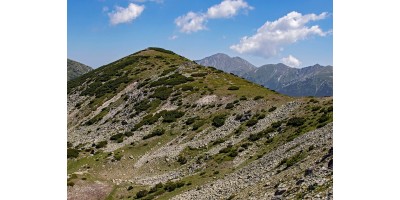
The type of terrain is one of the most important criteria when choosing boots. Rocky sections, scree, steep climbs, and uneven paths create an unstable base for stepping and require significantly better control over foot movement.
- the foot often lands on an inclined or moving surface;
- the ankle is subject to twisting with every wrong step;
- the risk of slipping and losing balance is higher.
In these conditions, high hiking boots provide mechanical stabilization of the ankle and better load distribution, which significantly reduces the likelihood of sprains and falls.
.jpg)
Backpack Weight
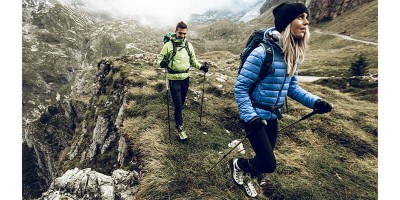
Backpack weight is a factor that is often underestimated but has a direct impact on the load on the joints. When carrying a backpack weighing over 15 kg, the body's center of gravity shifts, and the ankles take on significantly more stress.
- faster fatigue of the muscles around the ankle;
- more difficult balancing on uneven terrain;
- higher risk of sprains when slipping or taking a wrong step.
In such situations, boots with a higher profile act as additional support that stabilizes the foot and absorbs part of the load that would otherwise be transferred entirely to the joints.
Trek Duration
The duration of the route also has a serious impact on the choice of boots. During multi-day treks, fatigue accumulates gradually, and with it, concentration decreases. As the trek progresses:
- reactions slow down;
- muscles lose their stabilizing function;
- the risk of technical errors increases.
At these moments, the stability and protection provided by high hiking boots become more important than low weight. They compensate for part of the lost muscle stability and protect against accidents at the end of the day. As a result, the choice of boot height is directly related to safety and endurance throughout the entire trek.
Advantages of High Hiking Boots
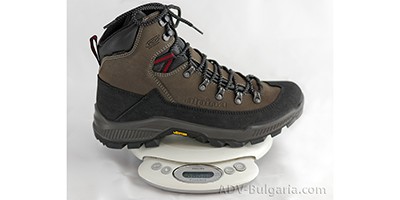
High hiking boots are specifically designed for difficult terrain, heavy loads, and variable conditions. Their construction encloses the ankle and limits unwanted lateral movements, which are a major cause of injuries in the mountains.
- Stability: Provide stable ankle support on uneven, rocky, and steep terrain.
- Protection: Protect the foot from moisture, mud, snow, and small stones entering the boot.
- Security: Reduce the risk of twists during fatigue and loss of concentration at the end of the day.
- Control: Allow for safer and more controlled stepping when carrying a heavy backpack.
.png)
High hiking boots are the preferred choice for alpine treks, off-trail routes, rocky and technical terrain, as well as for trekking in winter conditions.
When are Low Hiking Shoes Suitable?
Low hiking shoes are characterized by lower weight and greater freedom of movement, making them suitable for lighter and more dynamic routes. They do not fix the ankle but rely on the natural stability of the muscles and good movement control.
- Low Weight: Significantly lower weight, which reduces energy expenditure with every step.
- Ventilation: Better ventilation, especially suitable for summer conditions and dry trails.
- Flexibility: Allow natural movement of the ankle on flat and stable terrain.
.png)
Consequently, low hiking shoes are an excellent choice for easy day treks, eco-trails, and routes with well-maintained and trodden infrastructure, where the risk of injury is minimal and a heavy backpack is not carried.
Pros and Cons of Different Heights
To help you navigate the differences between the main types of hiking boots, the following table summarizes the key characteristics of each construction. This comparative framework shows that there is no universal solution, and the choice always depends on the specific context of the trek.
| Boot Type | Approximate Weight | Ankle Support | Suitable For |
|---|---|---|---|
| Low | 400 – 700 g | Minimal | Light trails, fast treks |
| Mid | 800 – 1100 g | Moderate | Mixed terrain, day treks |
| High | 1200+ g | Maximum | Heavy trekking, technical relief |
Practical Tips for Comfort During Treks
Regardless of the chosen height, comfort and safety also depend on proper preparation of the boots before the actual trek.
Breaking in Hiking Boots
New boots should never be used directly for a long route. Materials need time to adapt to the shape of the foot. Break them in gradually on short walks with the socks you will use in the mountains. Initial wear at home or in an urban environment is recommended, followed by short walks with a gradual increase in distance. This approach significantly reduces the risk of blisters and discomfort.
.jpg)
Consideration for Terrain Conditions and Season
The choice of boots should always take the season and climate conditions into account. For winter treks, high boots are indispensable due to better insulation and compatibility with crampons for better traction on snow and ice. For summer routes in lower mountains, low shoes provide more lightness and comfort.
.png)
Conclusion: Properly selected hiking boots not only increase comfort but also significantly reduce the risk of injuries, making them one of the most important investments for every mountaineer. The best guide is the most difficult section of the route – if it requires stability and protection, the high profile is the safer choice, even at the cost of a little more weight.