What We Learned About Gear From Our Dolomites Trek
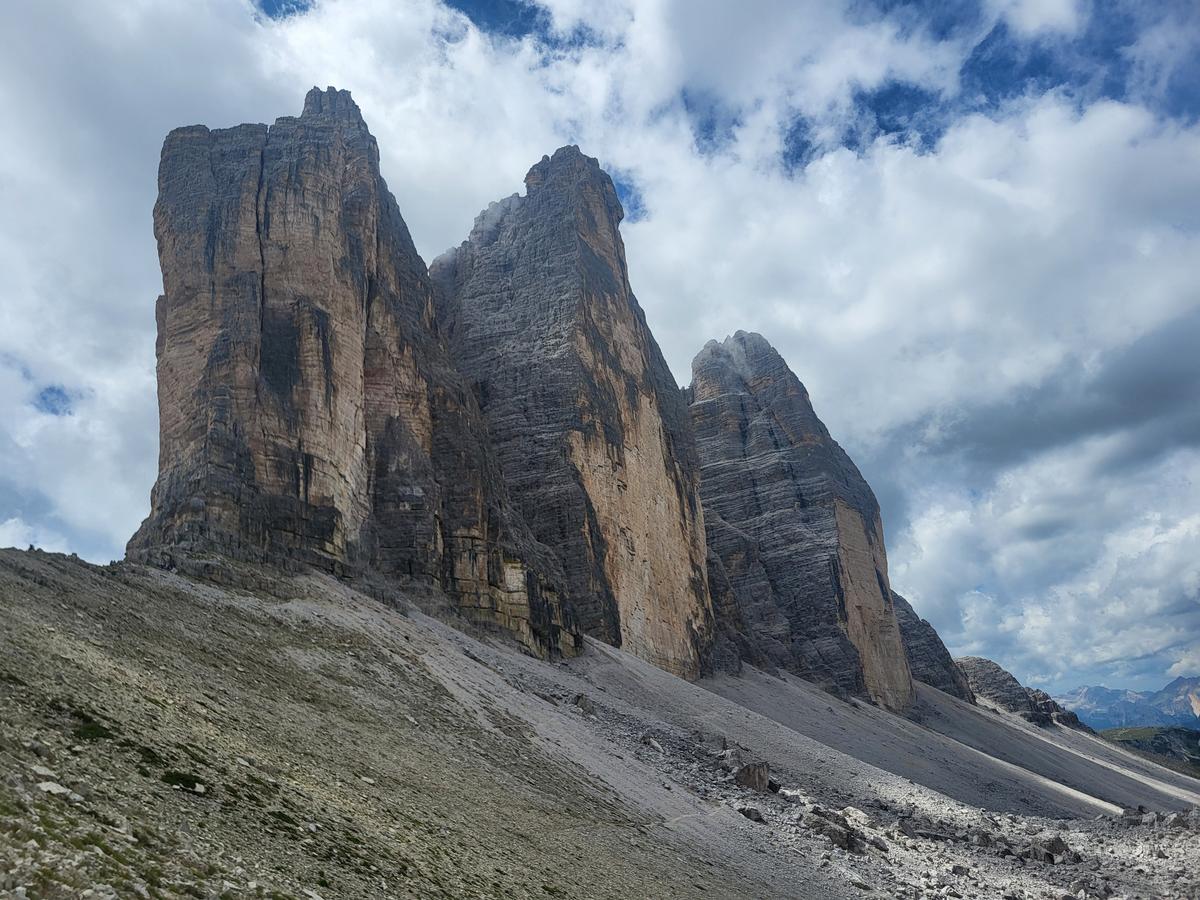
This July, the Extreme Sport team took part in an unforgettable mountain journey through the heart of the Dolomites — from the iconic Tre Cime di Lavaredo, through historic Bolzano, to Piz Boe and the glacier on Marmolada, the range's highest peak. The trip confirmed several truths about gear that apply to any high-altitude trek, whether in the Alps, the Pyrenees, or our own mountains in winter.
In this article we share what we packed, why it worked, and what we'd recommend to anyone planning a similar adventure.
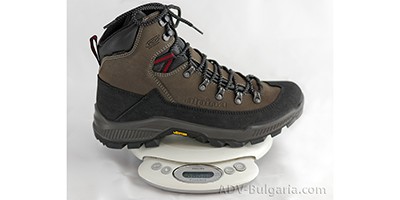
Tre Cime di Lavaredo: Boots That Don't Let You Down
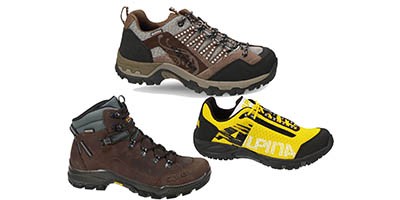
The loop trail around Tre Cime is fairly accessible, but the terrain is rocky with constant elevation changes. Boot stability matters here — less because of technical difficulty, more because of the long hours walking on uneven rock.
Bolzano and the Messner Museum: Between Two Worlds
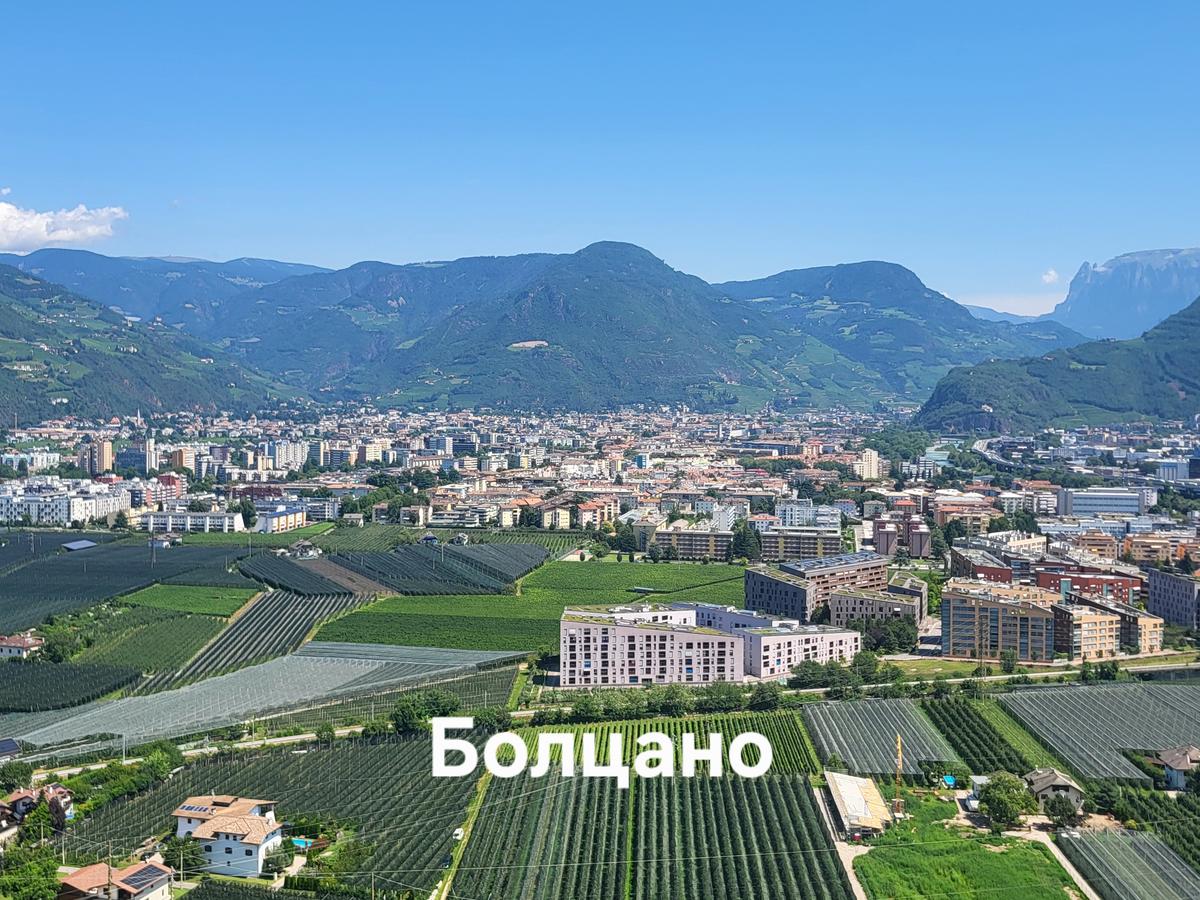
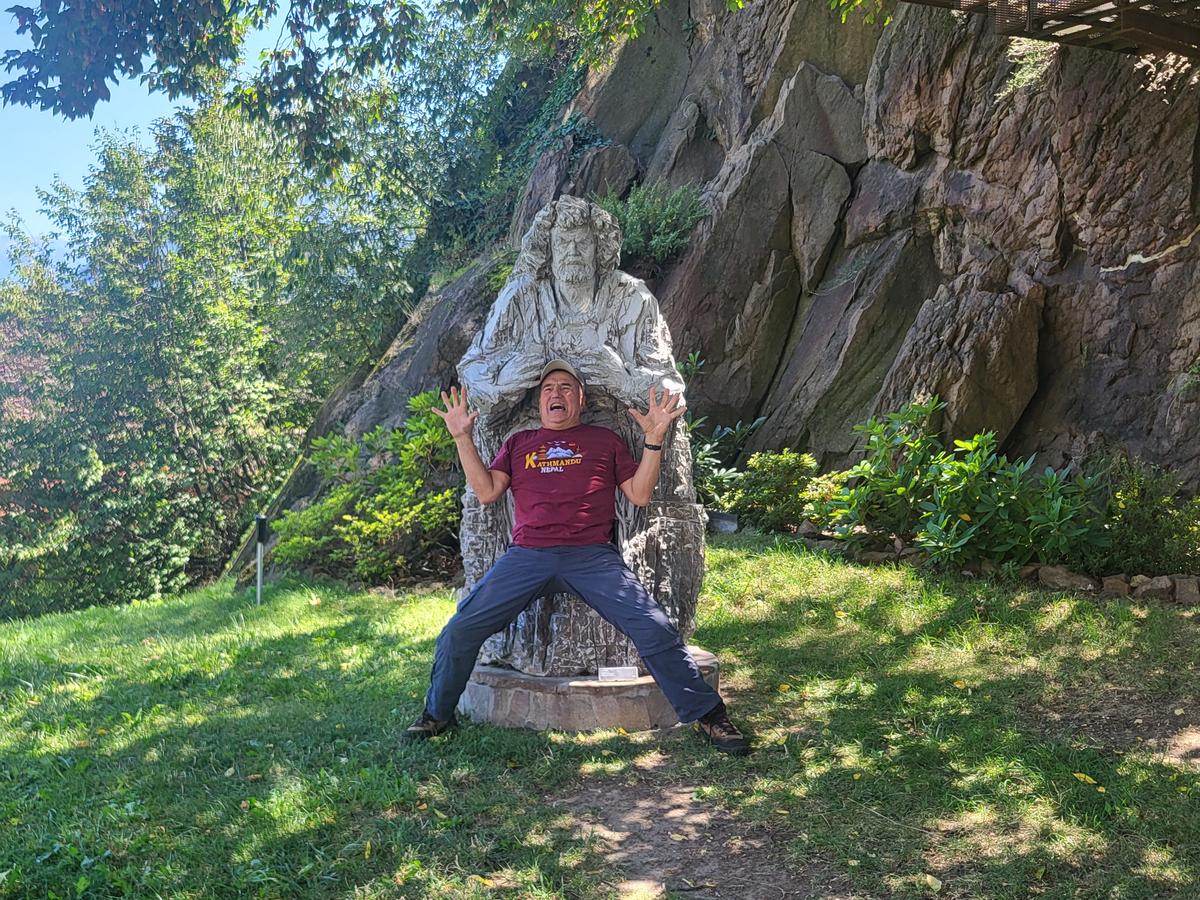
Bolzano, the capital of South Tyrol, is the perfect rest stop between intense mountain days. The Messner Mountain Museum (MMM Firmian), housed in the historic Sigmundskron Castle, tells the story of alpinism through the eyes of one of the greatest mountaineers of all time — a reminder that behind every ascent lies years of experience, respect for the mountain, and proper preparation.
It was in an urban setting like Bolzano that we realized how useful a lightweight, breathable hiking t-shirt really is — equally comfortable in a museum, on a café terrace, and later back on the trail, without needing a full wardrobe change.
Piz Boe: A Balcony Over the Sella Massif
Piz Boe (3,152m) is the high point of the Sella massif and offers one of the most panoramic views in the entire Dolomites — a moon-like landscape of high alpine plateaus surrounded by jagged rock towers. The ascent is accessible even without technical equipment, making it a great example of how a well-chosen route can deliver maximum reward without unnecessary risk.
The open plateau at this altitude means constant wind and fast-changing weather — this is where we appreciated having a light extra layer ready to pull out of the backpack within seconds of the first cold gust.
Marmolada: The Dolomites' Last Glacier
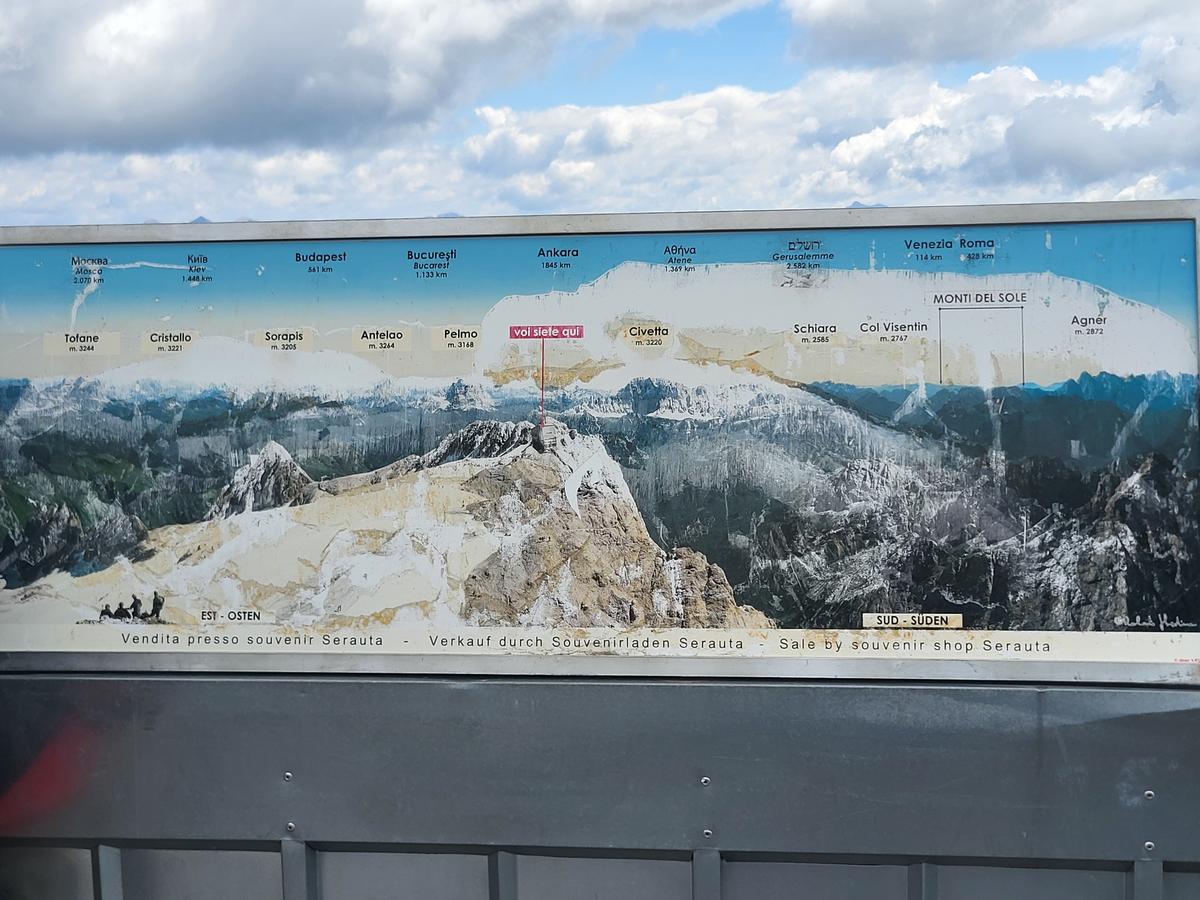
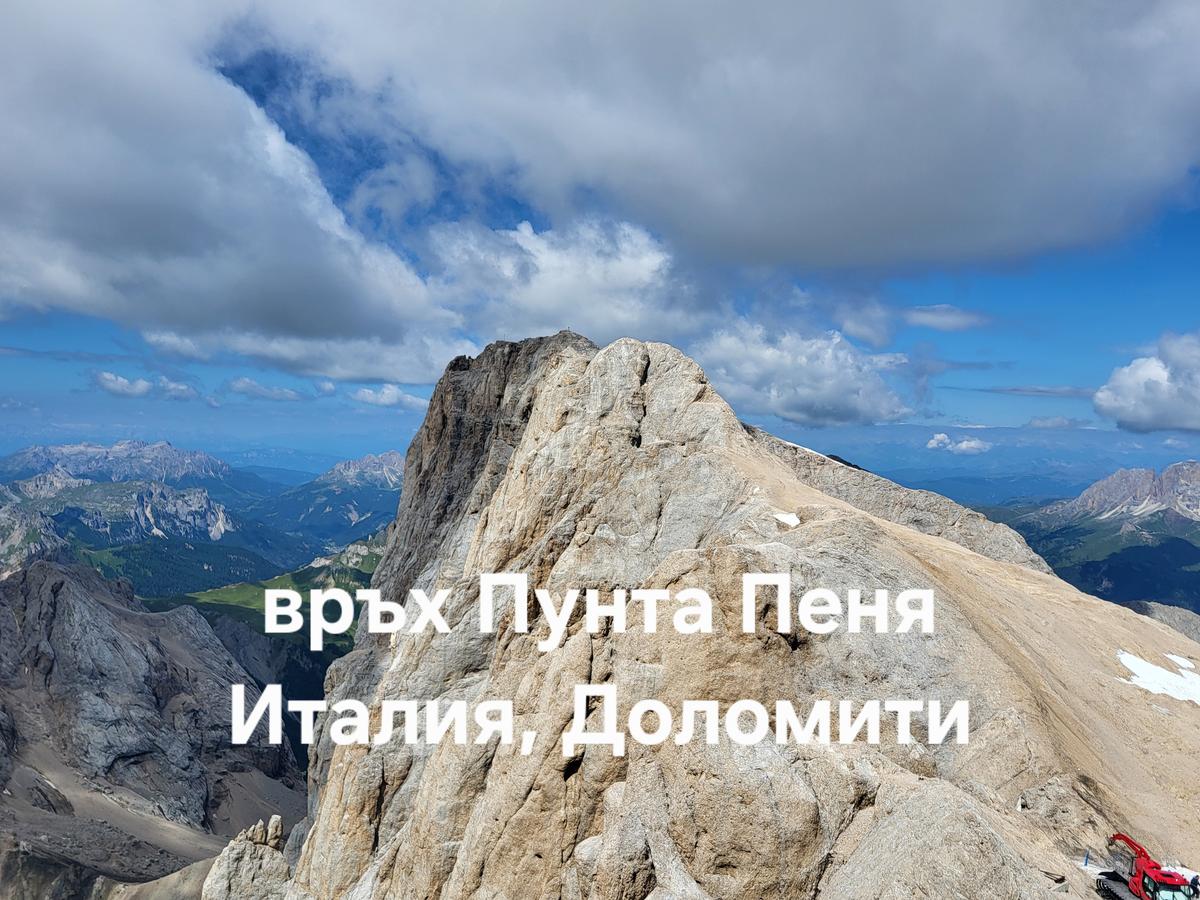
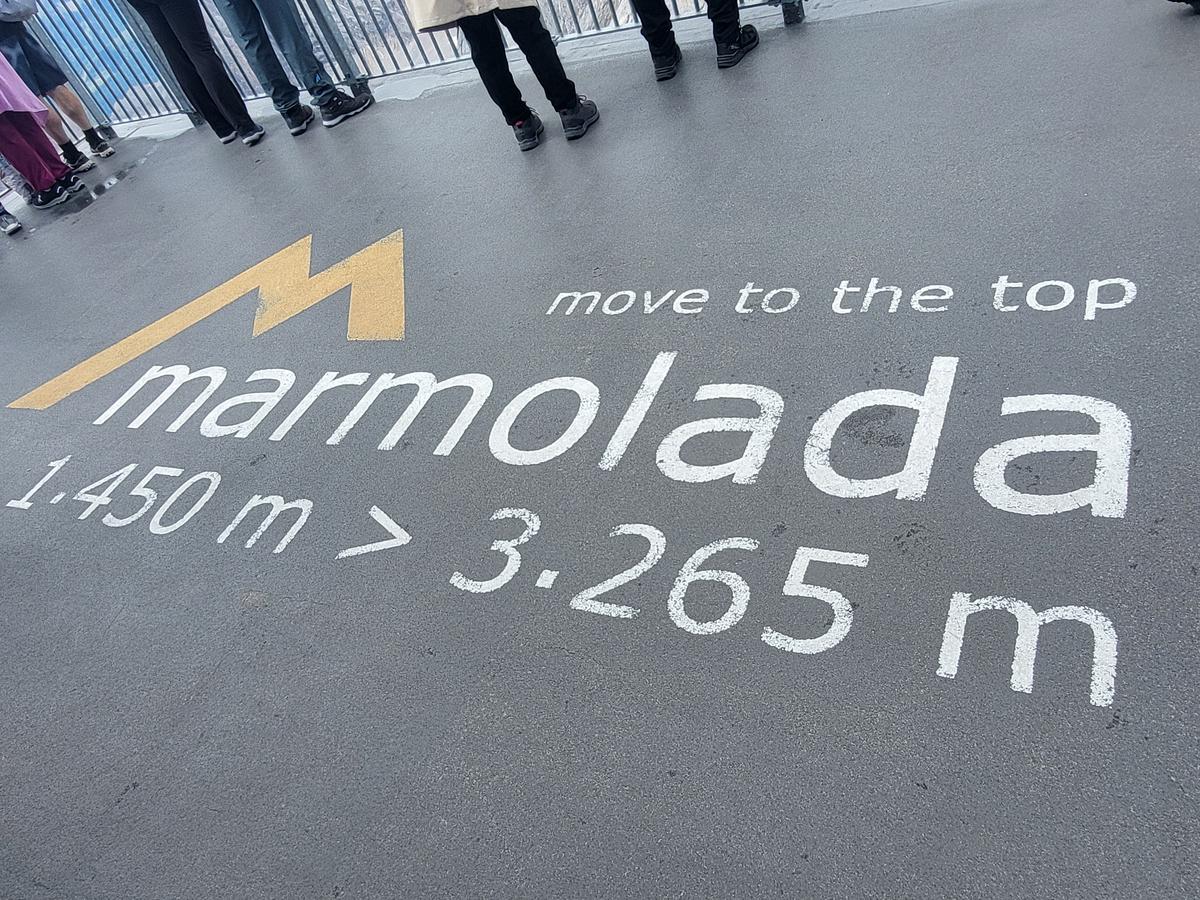
Marmolada (3,343m, Punta Penia peak) is the highest point in the Dolomites. The "Move to the Top" cable car took us up to the Punta Rocca station (3,265m) — the terrace there offers a breathtaking panorama straight at the glacier and Punta Pena itself, rising directly across from it. Temperatures drop sharply here, wind picks up, and UV radiation at this altitude is significantly stronger than in the valley. You can make a lot of beautiful photos to all sides of Dolomites from Marmolada.
The Backpack That Carries It All
For day treks at high altitude, your backpack needs to be roomy enough for an extra layer, water, food, and weather protection — without unnecessary weight. The Kilpi Ridix 25L proved to be the perfect balance on our trip — lightweight, with an anatomical weight-distribution system and a built-in hydration compartment.
If you prefer a more classic build, Husky backpacks from the Tourist and Expedition ranges feature an anatomical EVA back system that "remembers" your back's shape, plus durable Cordura fabric with excellent abrasion resistance — a solid choice for longer, more demanding treks.
Summary Table: Gear by Trek Zone
| Zone / Situation | Main Risk | Recommended Gear |
|---|---|---|
| Rocky/uneven terrain (Tre Cime) | Sprains, slipping | Alpina hiking boots |
| Urban stops between treks (Bolzano) | Overheating, discomfort | Breathable hiking t-shirt |
| Open high-altitude plateau (Piz Boe) | Sudden wind, fast-changing weather | Light extra layer, easily accessible in the pack |
| Glacier (Marmolada) | UV exposure, rain | GOG glasses + Mac in a Sac jacket |
| Full-day trek | Fatigue from excess weight | Kilpi or Husky backpack |
Frequently Asked Questions (FAQ)
Q: Do you need special technical skills for a trek like the Dolomites route?
A: The routes around Tre Cime, Piz Boe and Marmolada (excluding via ferrata sections) are accessible to hikers with some mountain experience, without requiring technical training.
Q: When is the best time to trek the Dolomites?
A: June through September is ideal, with July-August offering the most stable weather and open mountain huts along the routes.
Q: Why does UV protection matter more at high altitude?
A: UV radiation increases by roughly 10-12% for every 1,000m of elevation, and snow and ice reflect up to an additional 80% of the rays — the combination sharply raises the risk of eye and skin damage even on cloudy days.
Want To Hike The Same Route?
Our Dolomites trip was organized by experienced mountain guide Evgenyi Dinchev from bgtrekking.com — if this trip inspired you, you can find information there about upcoming dates and how to join a similar trek.
Ready For Your Next Trek?
Whether you're planning a trek in the Alps or prefer our own Bulgarian mountains, the right gear makes the difference between a good experience and an unforgettable adventure. At Extreme Sport, you'll find every product mentioned in this article, with expert advice from a team that actually practices these treks.
Browse our full hiking gear collection
-400x200.jpg "From Avramovo to Ortsevo - Extreme-bg.com")